Every time your heart beats, it pumps blood through vessels, called arteries, to the rest of your body. Your blood pressure is how hard your blood pushes against the walls of the arteries. If your blood flows at higher than normal pressures, you may have high blood pressure, also known as hypertension.
High blood pressure is a major risk factor for heart disease, which is the leading cause of death in the United States. Millions of Americans have high blood pressure, but many people who have it don’t know it. That’s why it is important to have your blood pressure checked at least once a year.
High blood pressure is a “silent killer.”
It doesn’t usually cause symptoms, but it can damage your body over time.
Some things put us at greater risk for high blood pressure.
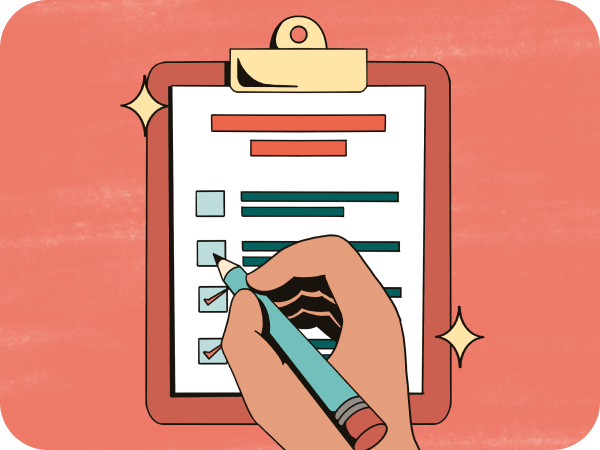
Work with your doctor to set blood pressure numbers that are healthy for you. Use our worksheet at nhlbi.nih.gov/hypertension to track your progress.
Make lifestyle changes such a seating healthy, staying active, and watching your weight. If you smoke, quitting can help prevent heart disease and other complications of high blood pressure.
Studies show that if you engage in heart healthy activities with people at home, at work, in your community, or online, you have a better chance of staying motivated.
Making lifestyle changes now can help keep your blood pressure in a healthy range—whether you have high blood pressure or you’re trying to prevent it. You don’t have to make big changes all at once. Small steps can get you where you want to go. Here are some ideas to start. If you have elevated blood pressure and your doctor prescribes medications, make sure to take them as directed.
A diet low in sodium and saturated fat—like the DASH eating plan—can lower your blood pressure as effectively as medicines.
Get at least 2½ hours of physical activity a week to help lower and control blood pressure. That’s just 30 minutes a day, 5 days a week.
Losing just 3 to 5 percent of your weight can improve your blood pressure. If you weigh 200 lbs., that’s a weight loss of 6 to 10 lbs.
Stress can contribute to high blood pressure and other heart risks. If it goes on for a long time, it can make your body store more fat.
The chemicals in tobacco smoke can harm your heart and blood vessels. Quitting is hard. But many people have done it, and you can, too.
Add one fruit or vegetable to every meal.
If you get fast food, ask for a salad instead of fries.
Give Meatless Monday a try.
Commit to one salt-free day a week. Use herbs for flavor instead.
Invite a colleague for regular walks or an exercise class.
Give the elevator a day off and take the stairs.
Take a break to play outside with your kids.
March in place during commercial breaks while watching television with your family.
Join a weight loss program with a buddy.
Sign “social support” agreements with three family members or friends.
Practice mindful meditation for 10 minutes a day.
Share a funny video, joke, or inspirational quote with a friend.
Talk with your doctor if you have trouble managing stress on your own
Visit smokefree.gov or BeTobaccoFree.hhs.gov to connect with others trying to quit.
Sign up for a support group at work or your local clinic.
Join a sewing, knitting, or woodworking group to keep your hands busy when you get urges.