Saul has left home. Now, he is on his own in a new town. He is trying to find a new job and a place to live. His family just lost their house and they all had to separate. He is running out of money. He hopes that when he finds a job, things will get better. He worries though… he does not know when that job will come.
Many of us go through many changes or hard times in life. Some ofthese changes are good; some of them are not so good. The truth isthat whether the change you go through is good or bad, short or longterm, real or not real, it can cause stress.
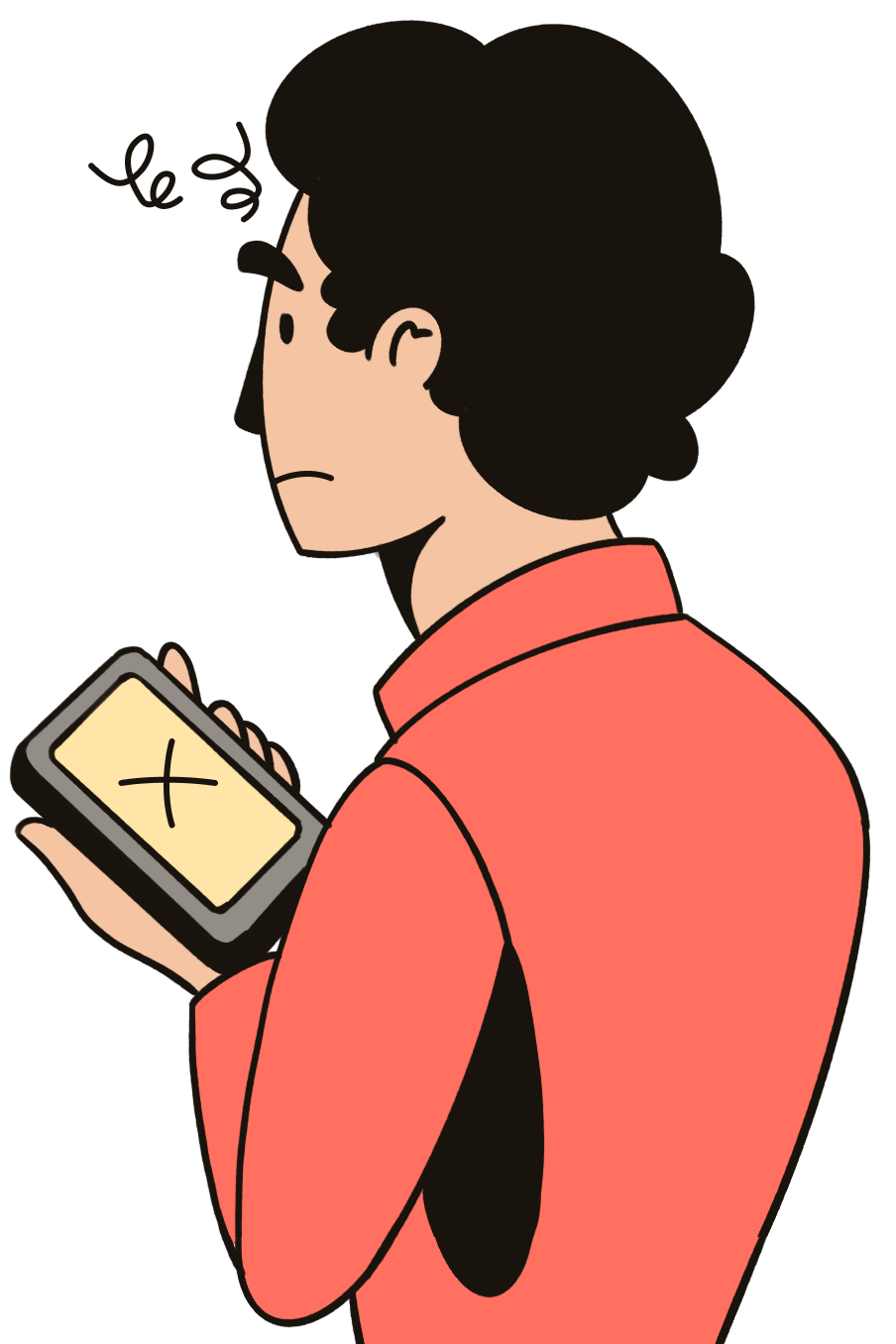
When there is a change in your life that makes you feel threatened or“out of balance,” your body responds in a certain way. Stress is the way your body responds to the threat or to whatever is making you feel “out of balance.”
For example, let’s say you feel that the person sitting next to you is going to steal from you. First, your body releases some chemicals that prepare you to react. Your heart beats faster, your muscles get tight, your blood pressure goes up, you breathe faster, and you are more alert. These changes make you stronger, and prepare you to either fight or run away from the threat you feel.
Now, the person next to you leaves, and you feel the threat is gone. Because it is gone, your body goes back to normal. Stress can affect people of all ages including children and adolescents.
Stress is not always a bad thing. It can save your life if you are in a dangerous situation; stress can help you win a competition, or help you get ready for a presentation at school. But, remember, when you have too many things that make you feel stress day after day, it can harm your health and cause problems in your relationships with others. So be aware and learn how your body feels when it is under stress.
Es muy importante saber cómo su cuerpo reacciona cuando está bajo mucho estrés. Esto le ayuda a reconocer que usted necesita hacer algo con su estrés para proteger su salud.
Estas son algunas señales y síntomas de alerta relacionadas con el estrés que pueden afectar su mente, sus emociones, su cuerpo y hasta la manera en que usted actúa. Vamos a aprender más sobre ellos:
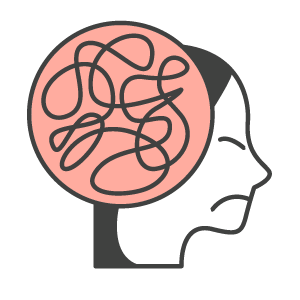
You may notice that:
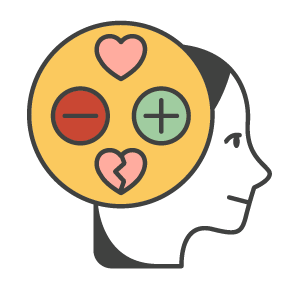
You may notice that you feel:
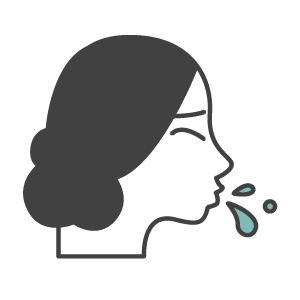
It is possible that you:
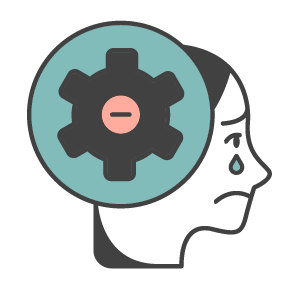
When you are very stressed you may:
Day after day, over a long period of time, there will be a moment when your body does not know when to relax and go back to normal. Your body is overly alert and tense.
If you find that your stress symptoms are not going away, you need to see your doctor. Your doctor can tell you for sure if you have too much stress or if you have other health problems.
A lot of these symptoms can also be due to other conditions, like heart problems.
As you can see, taking care of your stress is very important. So, now, let’s learn how to reduce your stress.
First. To reduce stress quickly, use your 5 senses and move your body.
Second. You need to figure out what works best for you when using your senses. For example, some people feel relaxed when they listen to music, others may feel irritated.
Third. Be aware of how you react when you are in a stressful situation. So ask yourself the following questions:
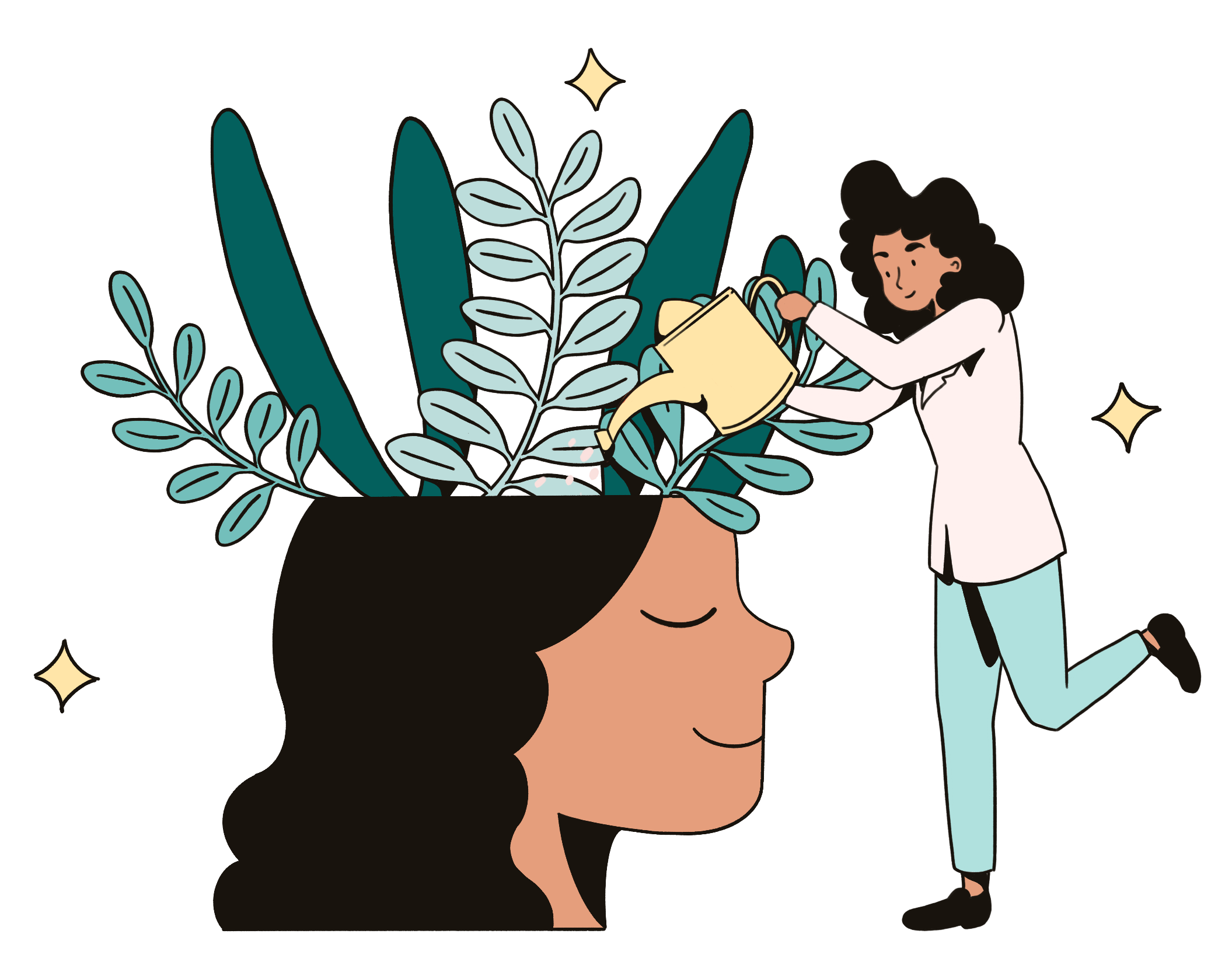
If you get angry and nervous, then use your senses and do things that can calm you down like smelling flowers, drinking a cup of tea, listening to music, or spending time outdoors enjoying nature.
If you tend to become depressed and quiet, then move your body. For example:
Run, Jump, Dance and Walk
Learning how to use your senses and your body to control your stress is a very good tool to help you stay in control under stressful situations. And most of all, you will have the ability to face any challenge and the ability to quickly bring yourself back into a state of balance and peace.