Everything you need to use your medication safely and effectively.
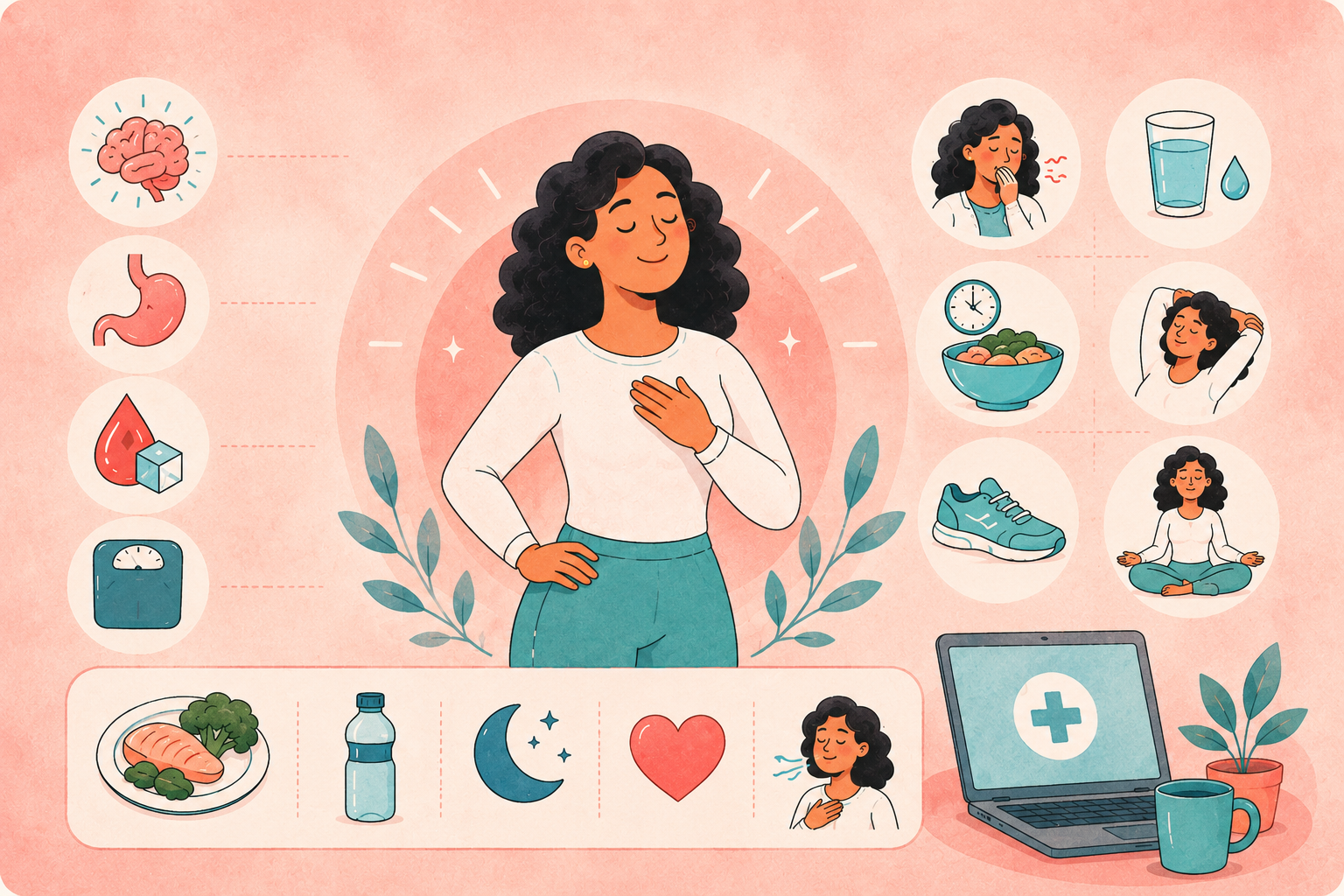
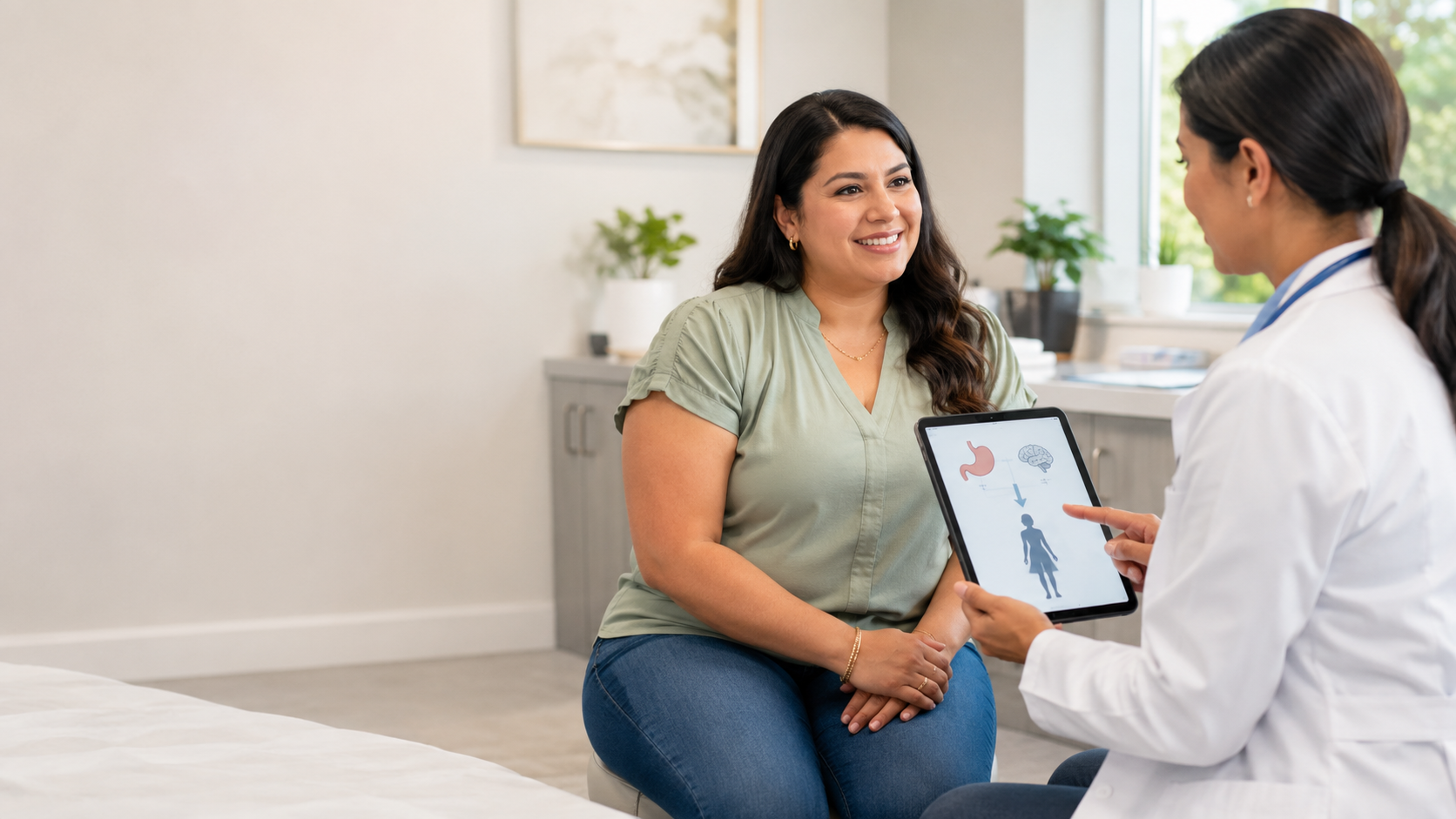
GLP-1 medications copy a natural hormone your body already makes . When you eat, your gut releases this hormone, which tells your brain and body to manage blood sugar and appetite. GLP-1 medications boost this natural process to help you lose weight and improve your overall health.
Reduces Hunger
Helps you regain control over cravings and impulsive eating.
Less urge to snack or overeat; feel more in control of cravings.
Helps You Feel Full
Makes it easier to eat smaller portions without feeling deprived.
Satisfied with smaller portions; no need to eat as much to feel full.
Slows Digestion
Keeps you full for longer, reducing the need to eat frequently.
Less hungry between meals; meals feel more satisfying for longer.
Steadies Blood Sugar
Provides consistent energy and helps avoid mood swings from sugar dips.
More consistent energy throughout the day; fewer energy crashes.
Key Point: GLP-1 medications are most effective when combined with healthy eating and physical activity, but they do the heavy lifting by reducing your appetite and helping you feel satisfied with less food .
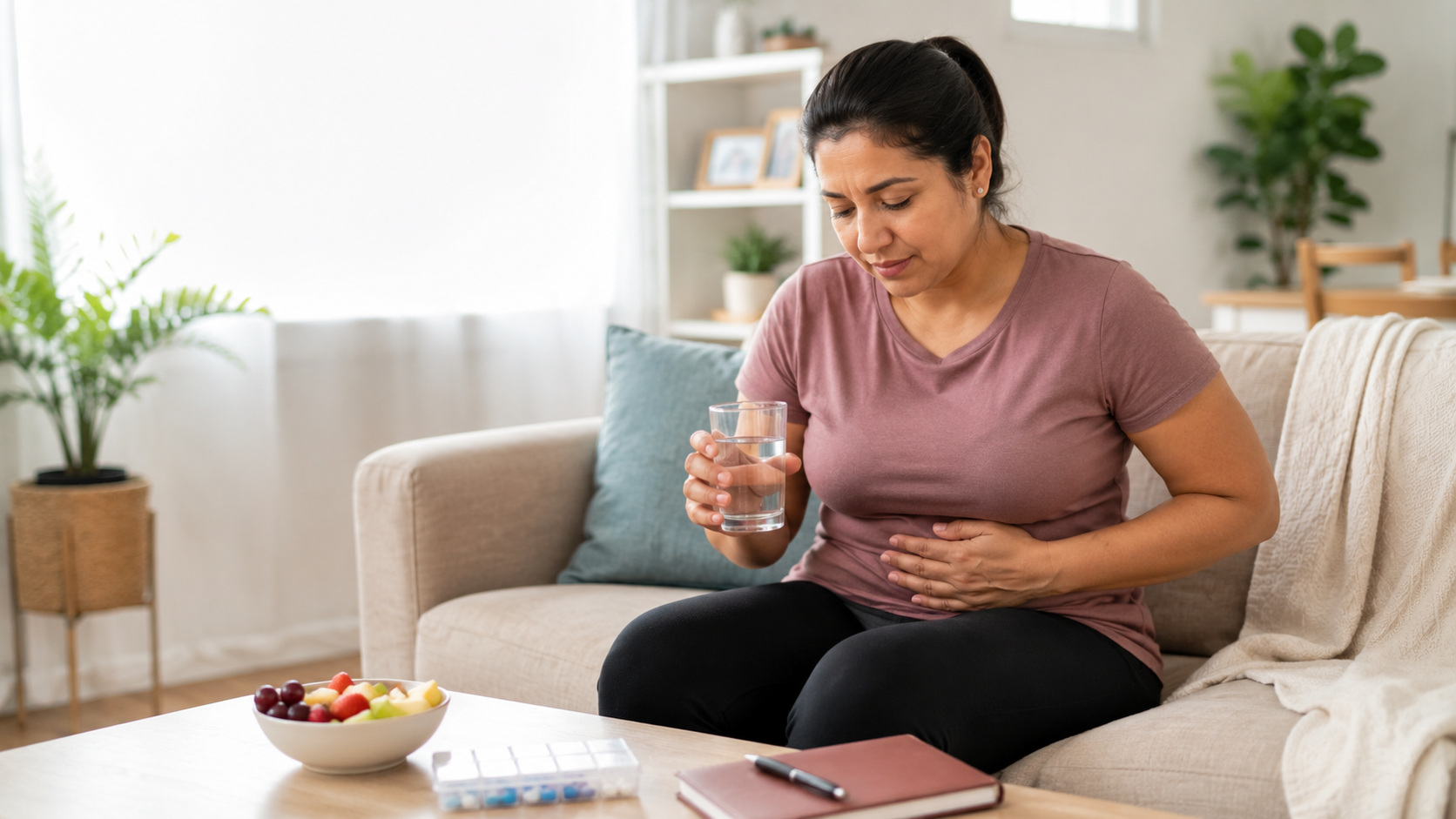
GLP-1 medications slow gastric emptying—meaning food stays in your stomach longer . This is actually how the medication helps you feel full, but it can also cause temporary gastrointestinal symptoms, especially as your body adjusts.
Nausea (feeling sick to your stomach)
Very common (about 1 in 3 people)
You may feel queasy, especially in the first few weeks
Diarrhea (loose or watery stools)
Common (about 1 in 4 people)
Your bathroom habits may change temporarily
Vomiting (throwing up)
Common (about 1 in 6 people)
Usually happens if you eat too much or too fast
Constipation (difficulty having a bowel movement)
Common (about 1 in 5 people)
Things may slow down; fiber and water help
Stomach discomfort (belly pain or cramping)
Common (about 1 in 6 people)
Mild aching or cramping in your abdomen
Never eat until completely full
Stop at 70–80% full; your brain needs time to register satiety
Eliminate high-fat, fried, spicy foods
These are harder to digest and worsen nausea
Ambient/cold foods are easier to tolerate
Try room-temperature or cold meals if hot food triggers nausea
Timing matters
Nausea is often worse in the evening—eat more earlier in the day
Proteins
Baked or boiled chicken (plain, no skin), baked fish, scrambled eggs, plain yogurt
Avoid fried, greasy, or heavily seasoned meats
Starches
White rice, plain pasta, saltine crackers, plain oatmeal, dry cereal
Choose refined (white) over whole grain when nauseous—easier to digest
Fruits
Bananas, applesauce, melon, canned peaches (in juice, not syrup)
Avoid citrus or acidic fruits (oranges, grapefruit, tomatoes)
Vegetables
Steamed carrots, mashed potatoes (plain), cooked squash
Avoid raw vegetables or high-fiber options when nauseous
Liquids
Clear broth (chicken or vegetable), herbal tea, water, electrolyte drinks
Sip slowly; don't gulp
Soothing options
Ginger tea, ginger chews, ginger ale (flat), peppermint tea
Ginger is a natural remedy for nausea
Greasy or fried foods
Harder to digest; sit in your stomach longer
Spicy foods
Irritate your stomach lining
Heavy, rich foods
Cream sauces, fatty meats, cheese-heavy dishes
Very hot foods
Strong smells from hot foods can trigger nausea; try room-temperature or cold foods
Sugary foods and drinks
Can worsen nausea and cause blood sugar swings
Alcohol
Irritates your stomach and can worsen nausea
Caffeinated drinks
Coffee and energy drinks can upset your stomach
Strong-smelling foods
Pungent odors can trigger or worsen nausea
Sip, don't gulp
Take small sips throughout the day rather than drinking large amounts at once
Aim for 64 oz (2 liters) daily
About 8 glasses of water per day
Try different temperatures
Some people tolerate cool or cold drinks better; others prefer room temperature
Use ice chips or popsicles
If drinking feels difficult, try sucking on ice chips or plain fruit popsicles
Clear liquids are best
Water, clear broth, herbal tea, diluted apple juice
Avoid drinking during meals
Drink 30 minutes before or after eating to avoid feeling too full
Ginger
Ginger tea (steep fresh ginger slices in hot water), ginger chews, ginger candies, flat ginger ale
Ginger has been used for centuries to calm upset stomachs
Peppermint
Peppermint tea, peppermint candies
Helps relax stomach muscles
Lemon
Smell a fresh lemon, add lemon slices to water
The scent can help reduce nausea
Fresh air
Step outside or open a window
Helps clear strong food odors that trigger nausea
Drink at least 8 glasses (64 oz) of water daily
Water helps soften stool and keeps things moving
Start your day with a glass of water
Drinking water first thing in the morning can stimulate your digestive system
Carry a water bottle
Sip throughout the day rather than drinking large amounts at once
Limit caffeine and alcohol
These can dehydrate you and make constipation worse
Vegetables
Broccoli, spinach, carrots, green beans, Brussels sprouts
Add one serving to lunch and dinner
Fruits
Apples (with skin), pears, berries, prunes, figs
Prunes and prune juice are especially helpful
Whole grains
Oatmeal, whole wheat bread, brown rice, bran cereal
Swap white bread/rice for whole grain options
Legumes
Beans, lentils, chickpeas
Add to soups, salads, or as a side dish
Seeds and nuts
Chia seeds, flaxseeds, almonds
Sprinkle on yogurt or oatmeal
Important: Increase fiber gradually (add one new fiber source every few days) to avoid gas and bloating
Talk to your provider first
Before starting any supplement
Common options
Psyllium husk (Metamucil), methylcellulose (Citrucel), or wheat dextrin (Benefiber)
Timing matters
Take fiber supplements 2–4 hours apart from your GLP-1 injection to minimize additive stomach effects
Start slowly
Begin with a small dose and increase gradually
Drink plenty of water
Fiber supplements need water to work—drink a full glass with each dose
Diarrhea causes you to lose fluids and electrolytes quickly. Replacing them is essential.
Water
At least 8–10 glasses per day
Sip throughout the day
Electrolyte drinks
1–2 servings per day
Pedialyte, Gatorade (diluted), or coconut water
Clear broth
1–2 cups per day
Chicken or vegetable broth replaces sodium
Weak tea
As desired
Herbal or decaffeinated
Avoid: Caffeine, alcohol, sugary drinks, and milk (which can worsen diarrhea)
Bananas
Plain, ripe bananas
Replaces potassium; binding effect
Rice
Plain white rice (no butter or sauce)
Starchy, binding, easy to digest
Applesauce
Unsweetened, plain
Contains pectin, which helps firm stool
Toast
Plain white toast or saltine crackers
Absorbs excess fluid in the gut
Proteins
Plain baked chicken, baked fish, scrambled eggs
Starches
Plain pasta, oatmeal, cream of wheat
Other
Plain yogurt (with probiotics), boiled potatoes, cooked carrots
Fatty or fried foods
Harder to digest; can worsen diarrhea
Spicy foods
Irritate the digestive tract
Dairy products
Milk, cheese, ice cream can worsen diarrhea (except plain yogurt)
High-fiber foods
Raw vegetables, whole grains, beans—can irritate the gut during active diarrhea
Artificial sweeteners
Sorbitol, mannitol can cause or worsen diarrhea
Caffeine and alcohol
Stimulate the gut and cause dehydration
Gas-producing foods
Cabbage, broccoli, beans, carbonated drinks
1–2 days
Normal adjustment; follow tips above
3–4 days
Continue tips; monitor for dehydration (dark urine, dizziness, dry mouth) and avoid it by increasing hydration.
More than a few days
Contact your care team—you may need additional support
Headache
Stay hydrated, rest, take over-the-counter pain relief if approved by your provider
Tiredness/fatigue
Get enough sleep, pace yourself, eat regular small meals for steady energy
Indigestion/heartburn
Avoid lying down after eating, eat smaller meals, avoid trigger foods (spicy, acidic, fried)
Injection site reactions
Rotate injection sites weekly, ensure proper technique, contact your care team if redness/swelling persists
Severe or persistent abdominal pain
Contact care team immediately
Ongoing vomiting (can't keep fluids down)
Contact care team immediately
Signs of allergic reaction (swelling of face, lips, tongue, throat; difficulty breathing; severe rash)
Seek emergency care
Signs of low blood sugar/hypoglycemia (cold sweats, shaking, confusion, fast heartbeat, dizziness)
Eat or drink fast-acting sugar; contact care team
Signs of pancreatitis (severe pain in upper abdomen radiating to back, with nausea/vomiting)
Seek emergency care
Any symptom that worries you or doesn't improve
Contact care team
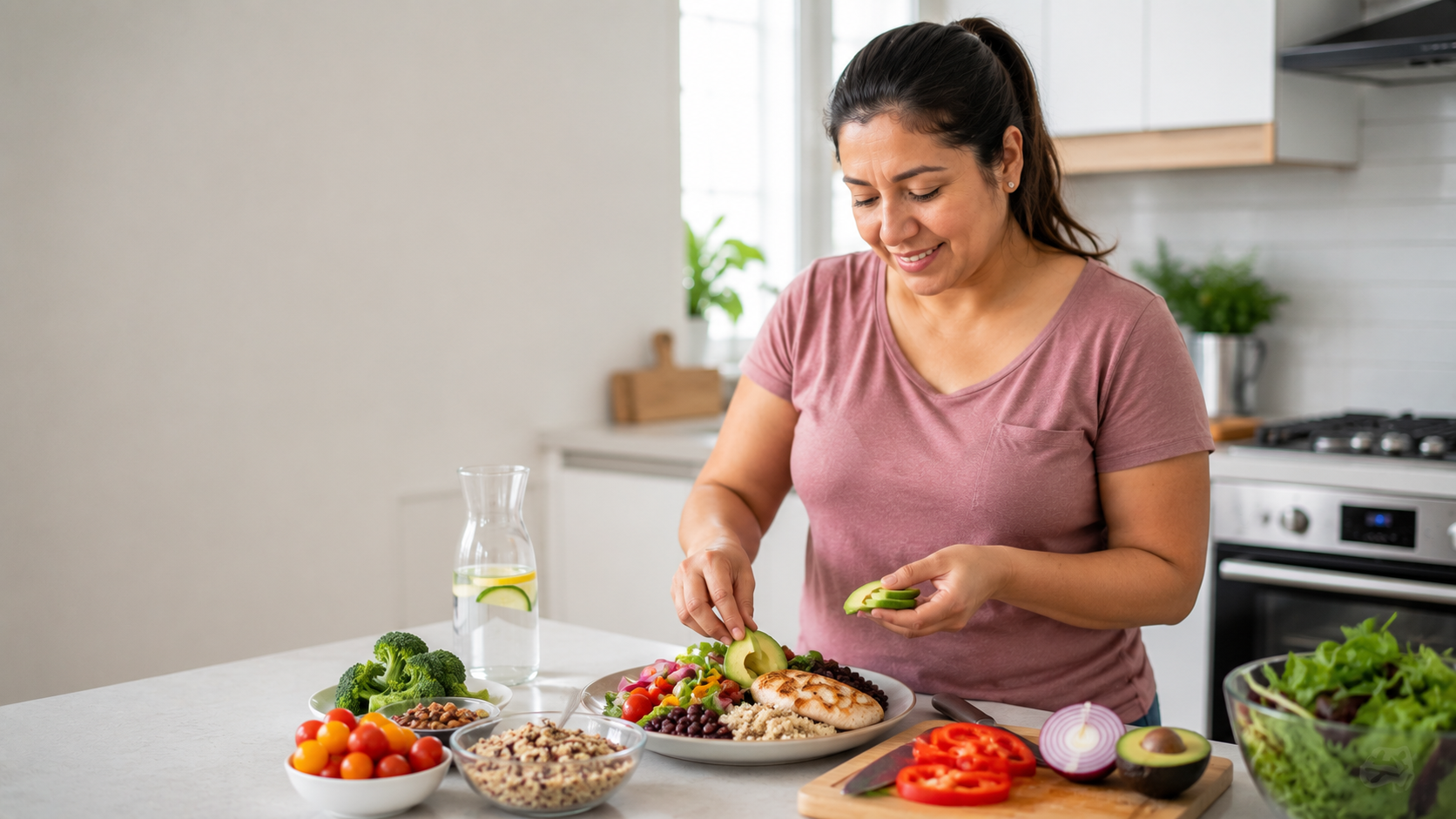
GLP-1 medications reduce your appetite, making it easier to eat less . But what you eat still matters for your health, energy, and long-term success. These basics will help you get the most from your medication—no coaching required.
Prioritize Protein
Preserves muscle mass during weight loss; keeps you full longer
Include chicken, fish, eggs, yogurt, beans, or tofu at every meal
Stay Hydrated
Supports digestion; helps manage side effects
Aim for 64 oz (2 liters) of water daily; sip throughout the day
Eat Slowly & Mindfully
Allows your brain to register fullness; reduces nausea
Chew thoroughly; put your fork down between bites; avoid screens while eating
Choose Gentle Foods
Easier on your stomach, especially early in treatment
Rice, bananas, toast, baked chicken, crackers, oatmeal
Limit Trigger Foods
Reduces GI side effects
Avoid greasy, fried, spicy, very sugary, or highly processed foods
Eat Smaller Portions
Matches your reduced appetite; prevents nausea
Use smaller plates; eat 5–6 mini-meals instead of 2–3 large ones
Don't Skip Meals
Maintains stable blood sugar and energy
Regular meal times support digestion and prevent overeating later
Breakfast
Greek yogurt with berries, or scrambled eggs with whole-grain toast
Mid-Morning Snack
Small handful of nuts or a cheese stick
Lunch
Grilled chicken salad with olive oil dressing, or lentil soup with crackers
Afternoon Snack
Apple slices with peanut butter, or hummus with veggies
Dinner
Baked fish with steamed vegetables and quinoa
Evening (if hungry)
Small portion of cottage cheese or a banana
Tip: You may find you're not hungry for all meals or snacks—listen to your body and eat when you need to, not out of habit.
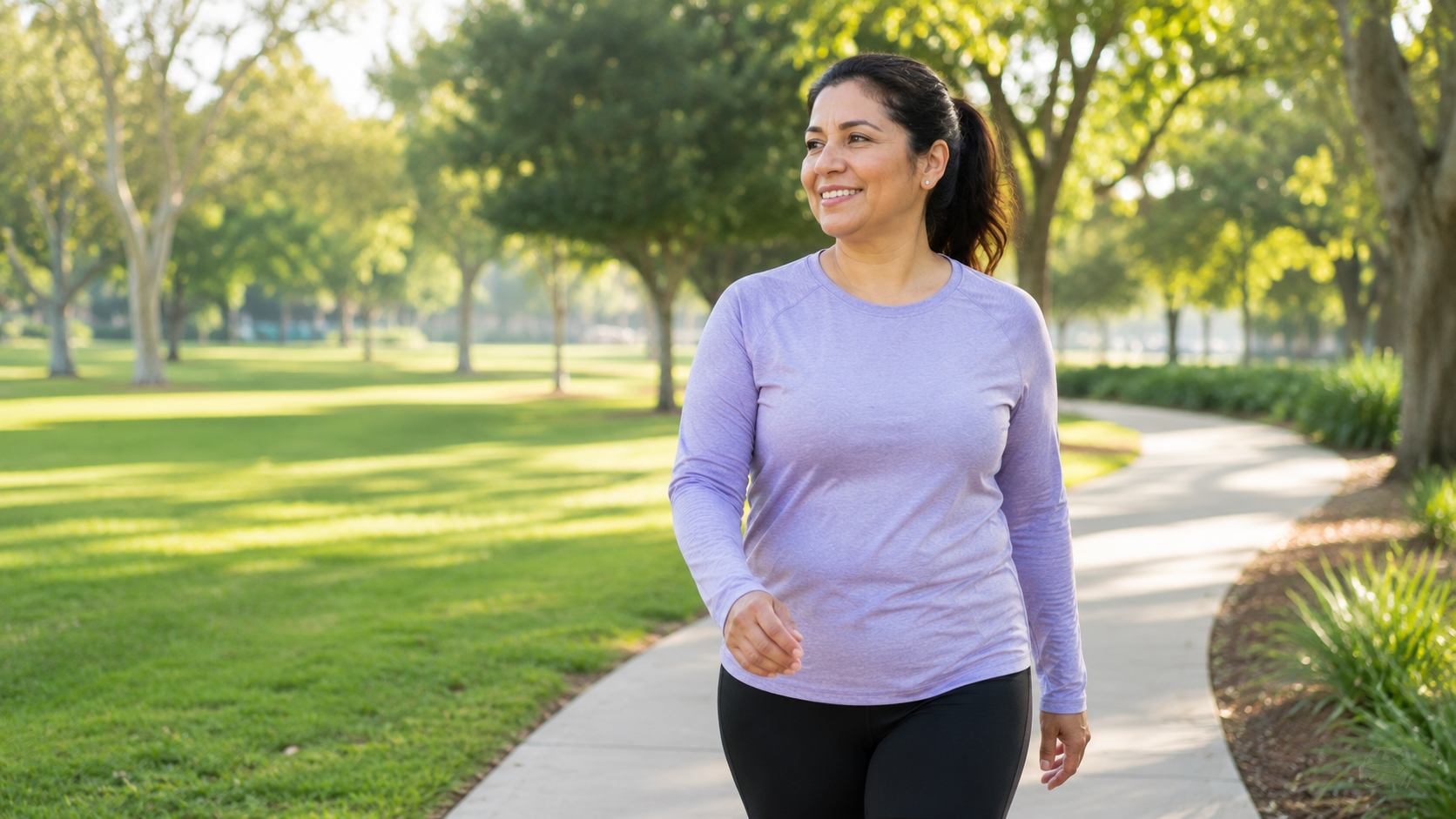
Physical activity enhances the benefits of GLP-1 therapy: it helps preserve muscle mass during weight loss, improves mood and energy, supports blood sugar control, and boosts long-term weight maintenance.
Start Where You Are
Even 5–10 minute walks count. No movement is too small.
Progress Gradually
Increase activity by 5–10% each week. Goal: 150 minutes of moderate activity per week (brisk walking, dancing, cycling). This may take months—slow and steady wins!
Include Strength Training
At least 2 days per week (bodyweight exercises, resistance bands, or weights) to preserve muscle during weight loss.
Make It Enjoyable
Choose activities you like—dancing, walking groups, swimming, home workouts, gardening, soccer.
All Movement Matters
Movement is for your health, not punishment. Every bit helps!
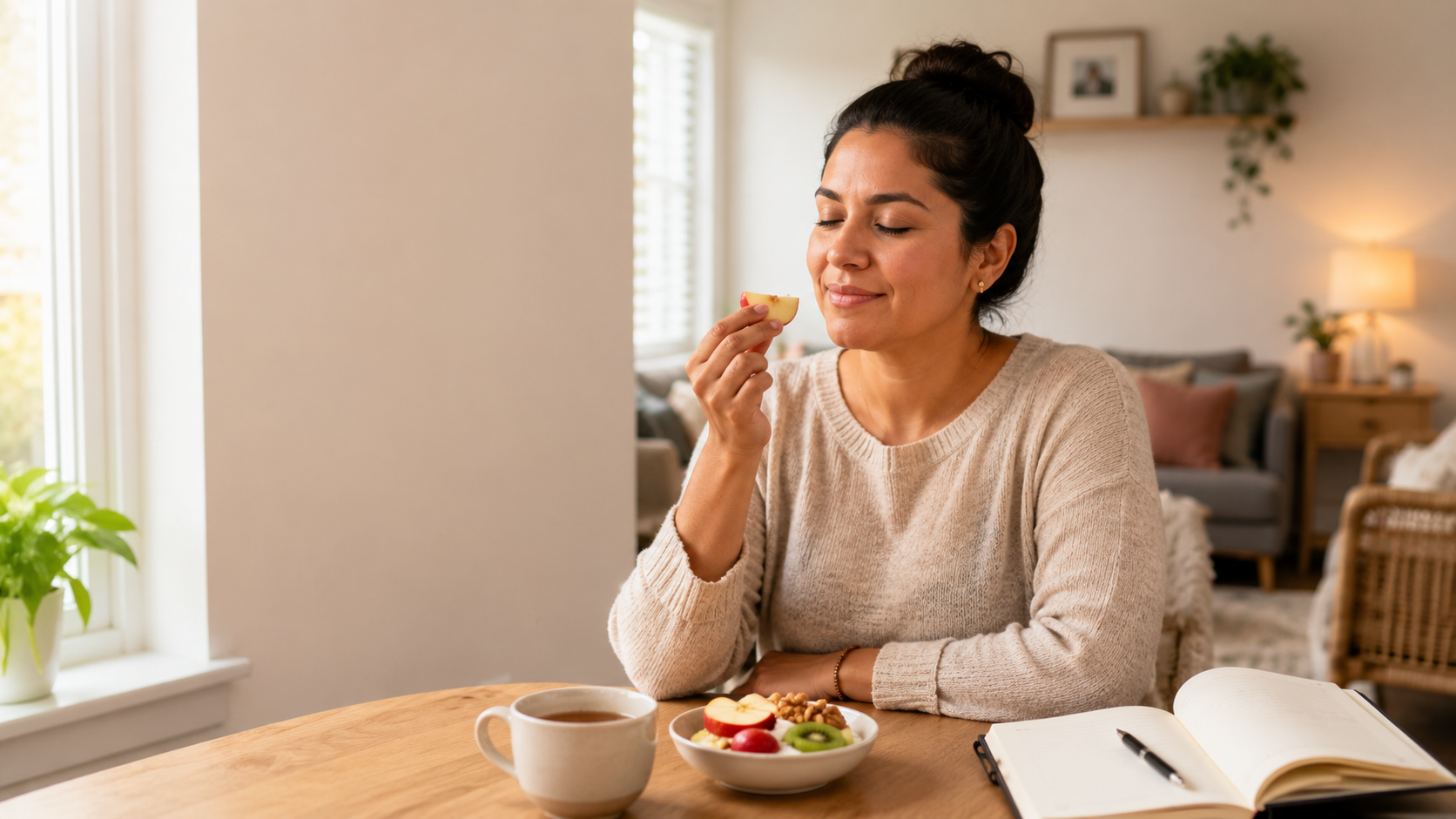
Why Your Mindset Matters GLP-1 medications are a helpful tool that recalibrates your internal "fuel gauge," gently turning down the volume of constant thoughts about food. But how you manage stress, navigate sudden cravings, and relate to your changing body still matters for your peace and long-term success. It is completely normal to feel a bit overwhelmed or strange as you start this journey. These emotional well-being basics will help you understand your new signals and navigate your mindset with self-compassion—no coaching required.
Set your foundation with patience and kindness as your body adapts to feeling full sooner.
Set Your Compass
Helps you focus on how you want to feel, removing the heavy pressure of seeking perfection.
Ask yourself: "How do I want to feel every day from now on?" and gently walk toward that feeling.
The Apple Test
Differentiates true physical hunger from sudden cravings triggered by boredom or stress.
Before reaching for a snack, ask: "Am I hungry enough to eat a plain apple?" If no, it is likely an automatic emotional response.
The Permission to Save
Breaks the stressful rule that leaving food on your plate is a "waste."
The moment you feel 70-80% full, politely ask for a to-go box or save the leftovers. Knowing the food is safe for later turns off the guilt.
The Next Choice Reset
Breaks the exhausting "all or nothing" mindset.
If things don't go as planned, you didn't ruin the week; simply make your very next meal a nourishing and compassionate choice.
Tools to help you pause and soothe yourself without eating without thinking.
Box Breathing
Turns off the part of your brain that controls stress, calming your nervous system instantly.
Inhale for 4 seconds, hold for 4, exhale for 4, and hold for 4. Repeat this cycle three times.
Tired or Hungry?
Prevents eating without thinking when your body is actually just begging for rest.
If a sudden craving hits mid-afternoon, pause and ask if your body needs food, or just a quick 10-minute break because you are exhausted.
The Comfort Menu
Gives you genuine relief when you are having a hard day.
Create a list of 3 quick activities (under 10 minutes) to soothe yourself: taking a warm shower, stretching, or listening to a relaxing song.
Name Your Stressors
Reduces mental fatigue by getting worries out of your head.
Say out loud or write down your top three worries of the day to instantly reduce their power over your choices.
As your clothes fit differently or you notice loose skin, it is natural for strong emotions to surface.
Be gentle with yourself.
The Function Filter
Promotes Body Neutrality by helping you value your body for what it does.
If you catch yourself criticizing your reflection, immediately shift focus to something your body allows you to do (like breathing, walking, or hugging).
The New Energy Inventory
Shifts your attention away from the mirror, focusing on how it feels to live today.
Write down 3 things that feel lighter or easier to do now (e.g., walking up stairs without losing your breath, sleeping deeply, having energy for your family).
Compassionate Grief
Gives you total permission to feel nostalgic about the identity or body you are leaving behind.
Write a short thank-you note to your body: "I know we are changing and it can feel strange, but thank you for keeping me safe up until now."
The Topic Pivot
Protects your boundaries from unwanted comments about your changing body.
If someone makes a comment about your appearance or your plate, gently shift the subject to something they are passionate about to deflect the attention.
Preparing your mindset for long-lasting well-being and maintenance.
Drop the Rules
Transforms strict diet rules into flexible, empowering choices.
Catch rigid thoughts and reframe them: "Today I choose protein for energy, but I can have bread if I truly want it."
The Neutral Plate
Removes all guilt and the harmful idea that cultural foods or desserts are "bad."
Treat them simply as food. Allow yourself to enjoy meaningful cultural dishes without a single ounce of guilt.
The "If/Then" Safety Net
Prevents falling back into automatic responses when you enter a tiring environment.
Plan ahead: "IF [a stressful event happens], THEN I will [take this specific self-care action]."
The Best Friend Rule
Replaces self-criticism with self-compassion.
After any setback, speak to yourself with the exact same empathy, gentleness, and forgiveness you would use if you were advising your best friend.
For a long time, the daily pressures of life or sheer exhaustion might have activated the part of your brain that controls stress, leading to automatic responses or eating without thinking. Please know you were not doing anything wrong; your body was simply looking for quick relief to keep you safe. Now, your medication gives the logical part of your brain much more space to make calm, conscious decisions.
Consider reaching out for additional help if you experience:
How soon will I see results?
Many notice reduced appetite in the first week; weight loss is gradual (expect 1–2 lbs/week on average).
What if I miss a dose?
If it's a weekly injection, take it as soon as you remember if there are at least 2–3 days until your next scheduled dose. Otherwise, skip and resume your regular schedule. Never double up.
Should I stop GLP-1 if I feel better?
Don't stop without talking to your care team first—stopping suddenly may cause weight regain.
Can I exercise on this medication?
Yes! Physical activity is encouraged and safe. Start slow and build up.
Will I need this medication forever?
Some continue long-term, others transition to maintenance. Your provider will help decide what's right for you.
What if my side effects don't improve?
Most side effects improve within 4–8 weeks. If they persist or worsen, contact your care team.
Can I drink alcohol on GLP-1?
Alcohol may worsen nausea and can affect blood sugar. Limit intake and monitor how you feel.
What if I'm scheduled for surgery or a procedure?
Tell your provider you're on a GLP-1 medication—delayed gastric emptying may require adjustments before anesthesia .
Key Takeaway:
Whether you just want the medication or prefer personalized coaching, this resource center is designed to support your success—on your terms. Use the self-service guides for everything you need to get started, and book your 1:1 sessions if you want extra guidance along the way.