
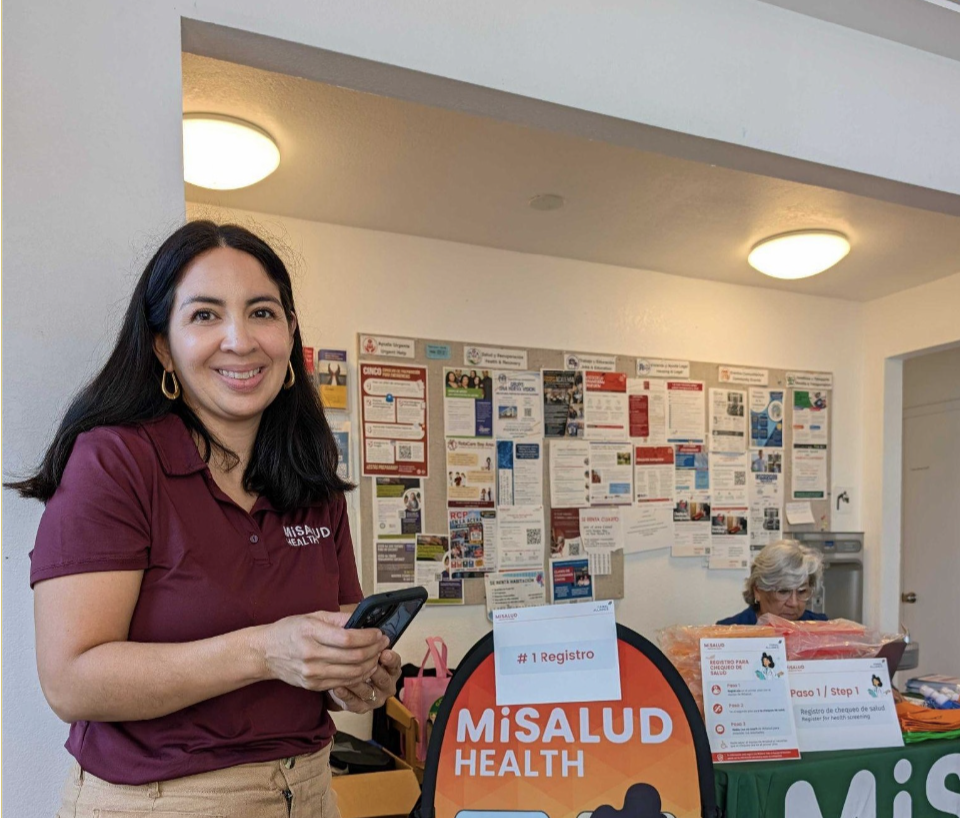
Sarah De La Cerda has a clear idea of where care actually needs to reach.
“I’ve always believed that mental health support shouldn’t just happen in a quiet office,” she says. “It needs to happen on the job site, in the breakroom, and in the high-stress moments of a busy workday.”
That belief shapes how she builds our mental health programs, and it’s why she’s the right person to kick off this series.
No two of Sarah’s days look the same.
Much of her time goes to leading our Mental Health and Health Coaches to understand the Socio experience up close, making sure our clinical programs and curricula are both culturally resonant and grounded in data.
The rest is translation. Clinical findings have to become a strategy that our Ops, Engineering, and Sales teams can build on, and that a prospective client can follow. Sarah is the one who bridges that gap.
She also stays close to the field, whether that’s a webinar on migrant mental health interventions or the latest behavioral health data trends.
And she still manages a panel of Socios herself, coordinating their care directly with our mental health coaches, health coaches, and providers. That choice is deliberate.
“People outside the company might assume my role is purely administrative, but it’s actually a deep exercise in clinical empathy and innovation. This frontline experience ensures that when I’m designing a new curriculum or analyzing migrant mental health trends, I’m doing it with a real face and a real story in mind.”
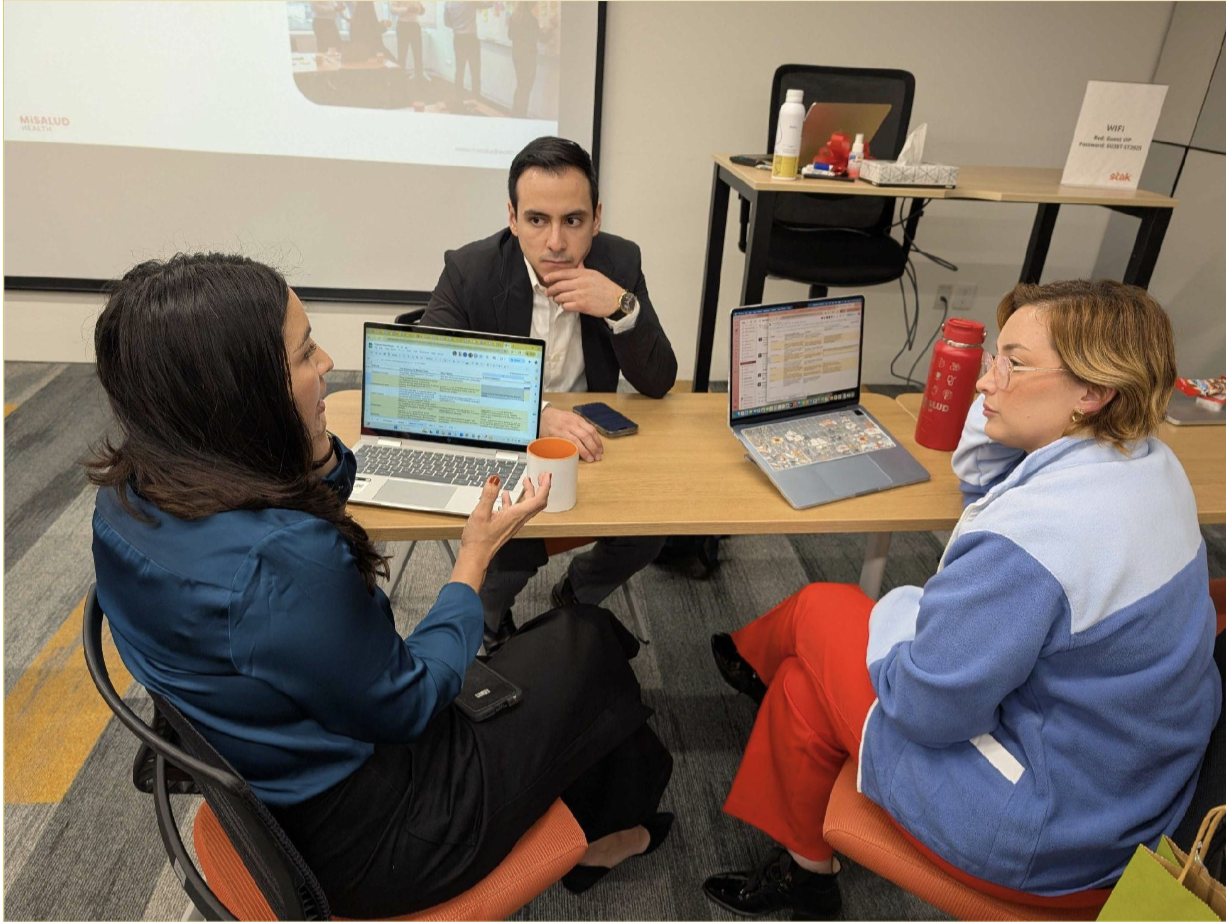
Sarah has spent her entire career in healthcare and behavioral health systems, and she has seen the gaps from every angle. As a clinician. As a manager. And as a family member, watching her own loved ones struggle to navigate a system that wasn’t built for them or attuned to their cultural needs.
“I joined MiSalud because it’s the first time I’ve seen a model that doesn’t just identify these gaps but proactively bridges them. I wanted to be part of the team finally building a solution for the Latino community and other underserved populations.”
Sarah describes her work as building a continuum of care that serves everyone in our ecosystem. Two recent moments show what she means.
At a partner site, she delivered stress management and safety training to supervisors. Rather than staying in theory, she built the session around the specific pressures of their environment. That’s how you connect mental health to operational safety in a way a supervisor can use on a Tuesday morning.
And in one session, a Socio arrived reporting an 8 out of 10 on the Subjective Units of Distress Scale. Thirty minutes of targeted coping skills later, they were at a 6.
“Seeing that immediate shift from overwhelmed to manageable is a constant reminder of why proactive, accessible support matters. High-impact work requires high-impact care.”
Two things, and she names both quickly.
First, the people she works with. “I’m surrounded by brilliant colleagues who are deeply committed to bringing high-quality, evidence-based mental health and health support to people who have historically faced barriers to care.”
Second, getting out from behind the screen. “Because onsite visits and engagements are part of the model, I get to meet some of the people we care for and hear first hand how we can help.”
She does her sharpest work between 9 a.m. and 1 p.m., fueled by a latte and something salty and crunchy. By mid-afternoon she takes the reset her body asks for, which is advice she gives Socios and follows herself.
Her soundtrack depends on the task. Data work calls for a podcast. Deadlines and deep focus call for Janet Jackson.
Three words she’d use for MiSalud: accessible, culturally aligned, proactive.
One word for herself: compassionate.
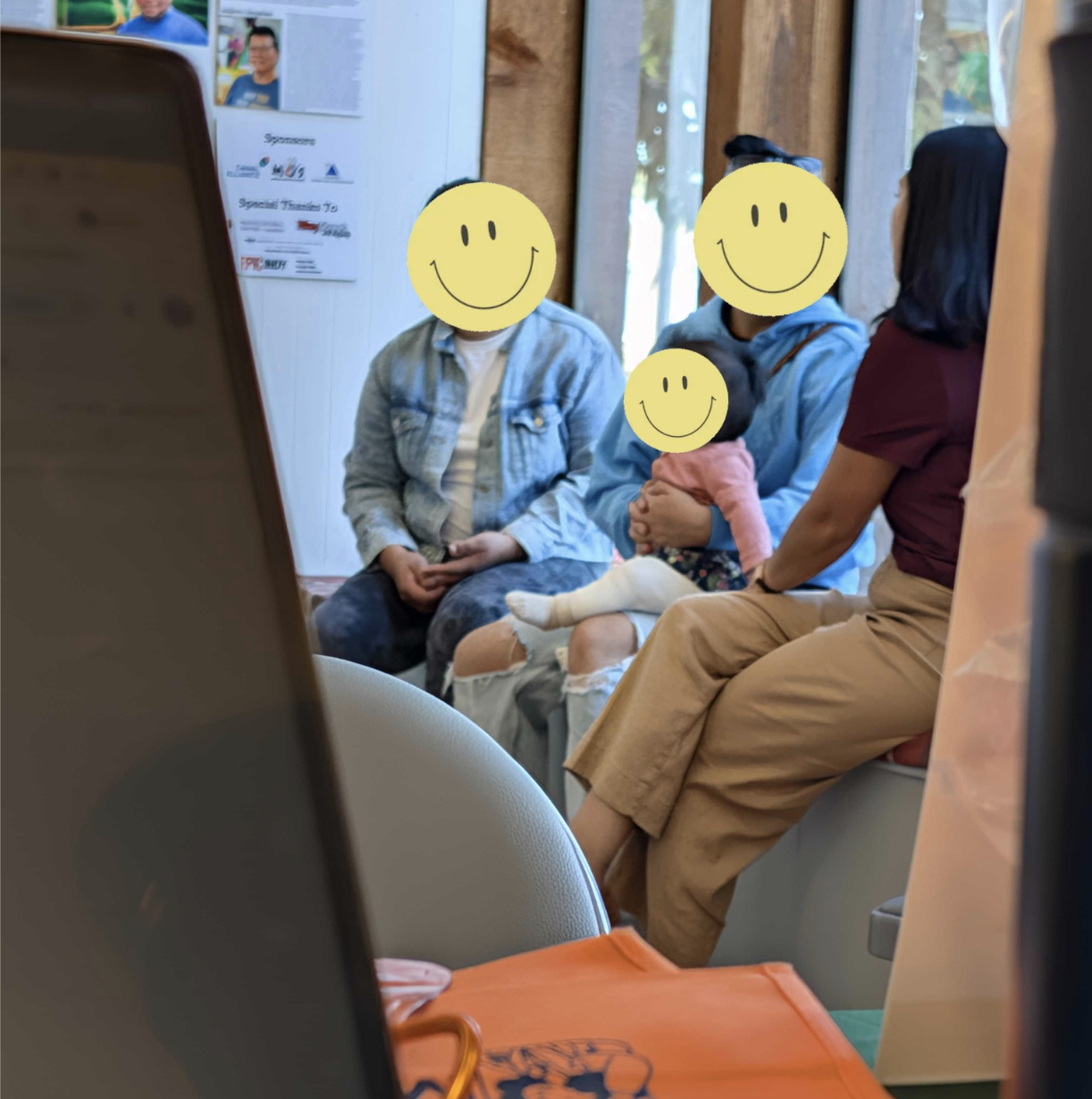
Sarah is the first in our series featuring the people building MiSalud. More to come.